Family Birth Flower Bouquet Ideas: A Beautiful Arrangement

Picture this. Your mom’s birthday is coming up, and you want to get her something that isn’t another candle or a gift card she’ll forget about by June. Then it hits you: what if the bouquet had a flower for her, one for your dad, one for you, and one for your sibling? Suddenly it’s not just flowers. It’s the whole family sitting in a vase on her kitchen table.
That’s the idea behind a family birth flower bouquet, and honestly, it’s one of the more thoughtful gifts you can put together without spending a fortune. You don’t need to be a florist or know anything about flower symbolism going in. You just need everyone’s birth months and a little bit of planning.
This guide walks through how to actually build one of these bouquets, which flowers go with which month, how to make mismatched colors work together, and where people usually mess it up.
What Is a Family Birth Flower Bouquet, Exactly?
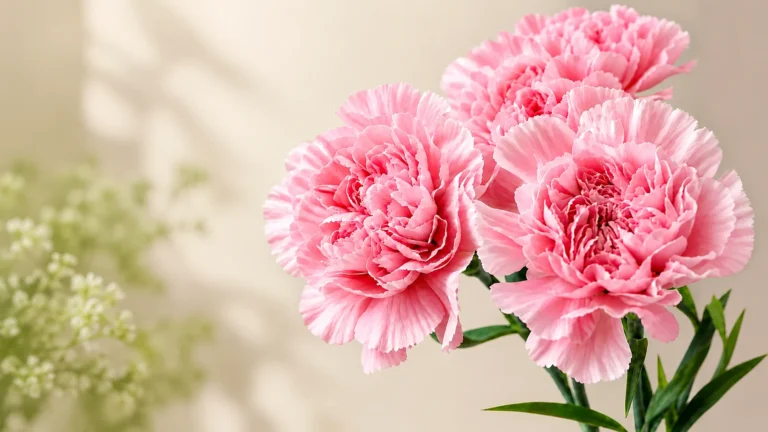
Every month has a flower tied to it, kind of like a birthstone but for gardens instead of jewelry boxes. January is carnation, April is daisy, September is aster, and so on. A family birth flower bouquet just means picking the flower for each family member’s birth month and combining them into one arrangement.
So if you’ve got a family of four born in March, July, October, and December, your bouquet would include daffodils, larkspur, marigolds, and narcissus (or holly, depending on which list you’re using — more on that mess in a second). Each stem represents a person. The whole thing represents the family.
It’s the same logic behind birthstone jewelry, but flowers hit differently. They’re temporary, they smell good, and they actually show up in your house instead of sitting in a jewelry box you open twice a year.
Why People Are Drawn to This Idea Right Now
Personalized gifts have been trending for a while, but people are getting tired of the generic version — mugs with names on them, monogrammed towels, that kind of thing. A birth flower bouquet feels different because it’s not just labeled with a name. It actually represents someone, month by month, person by person.
It also works for almost every occasion. Mother’s Day, a family reunion centerpiece, a grandparent’s 80th birthday, even a memorial arrangement where you want to include everyone who loved that person. One bouquet, several meanings packed into it.
The Birth Flower Calendar You’ll Actually Use

Here’s the thing nobody tells you upfront: birth flowers aren’t standardized the way birthstones are. Different sources list different flowers for the same month, especially for June, September, and December. I’ll give you the most commonly used version, and I’ll flag where you have options.
- January: Carnation (sometimes Snowdrop)
- February: Violet (sometimes Primrose)
- March: Daffodil
- April: Daisy (sometimes Sweet Pea)
- May: Lily of the Valley
- June: Rose (sometimes Honeysuckle)
- July: Larkspur (sometimes Water Lily)
- August: Gladiolus (sometimes Poppy)
- September: Aster
- October: Marigold (sometimes Cosmos)
- November: Chrysanthemum
- December: Narcissus (sometimes Holly or Poinsettia)
If two people in your family were born in the same month, you’re not stuck. Use both listed flowers for that month instead of doubling up on one. It actually makes the bouquet look a little richer anyway.
A Quick Note on Sourcing These Flowers
Not every florist keeps larkspur or lily of the valley in stock year-round. These are seasonal flowers in a lot of regions, so if you’re building a bouquet in December for someone born in July, don’t be shocked if larkspur isn’t sitting in the cooler. Call ahead. A decent florist can either order it in or suggest a close substitute that keeps the same color and shape.
How to Actually Build the Bouquet, Step by Step
Step 1: List Out Every Birth Month First
Before you think about flowers, write down who’s going in the bouquet and their birth month. Grandparents, parents, kids, even a family pet if you’re feeling sentimental — though I’d probably leave the dog’s “birth flower” as a joke rather than an actual stem. Keep the list to immediate family unless the bouquet is meant to represent something bigger, like a whole extended family at a reunion.
Step 2: Match Flowers to People
Go through your calendar and assign one flower per person. If your family spans six or seven months, that’s plenty for a full, balanced bouquet. If everyone happens to be born in a tight cluster — say, three people in spring — you’ll get a bouquet that leans heavily toward pastels, and that’s fine too.
Step 3: Group by Color Instead of by Person
This is where a lot of first-timers go wrong. They try to keep each person’s flower visually “separate,” like little labeled sections. It ends up looking more like a science fair display than a bouquet.
Instead, group by color family. Put the warm tones together — marigold, gladiolus, some of the orange-toned dahlias — and let the cooler ones, like violet and aster, sit on the other side. The eye reads it as one cohesive arrangement, not four random flowers stuck in the same vase.
Step 4: Pick a Size and Structure
Decide if this is a hand-tied bouquet, a low centerpiece for a table, or a taller vase arrangement for an entryway. Hand-tied works best for gifting. Low centerpieces work better if it’s going on a dinner table where people need to see each other across it. A tall vase arrangement is nice for an entryway or a mantel, somewhere it can be the first thing people notice walking in.
Step 5: Add Greenery and Filler
Don’t skip this. Eucalyptus, ferns, or even simple baby’s breath fill in the gaps between the main flowers and stop the bouquet from looking sparse. If your family only has three or four members, greenery is what keeps the arrangement from looking like it’s missing something.
Color Pairing Ideas That Actually Work
Some birth flower combinations naturally clash, not because the flowers are ugly, but because the colors fight each other. Here’s how to handle the trickiest combos.
When You’ve Got Bold and Soft Colors Mixed
Say your family includes a June rose (deep red) and a February violet (soft purple). Instead of letting the red overpower everything, use a smaller quantity of rose — maybe two or three stems — and let the violet, plus some white filler, soften the whole look. Bold colors should support the arrangement, not dominate it.
When Everyone’s Born in Warm-Toned Months
If your family leans toward August, October, and March — gladiolus, marigold, daffodil — you’re working with oranges and yellows almost exclusively. Add a touch of deep green or burgundy foliage to keep it from looking flat or one-note. A monochrome bouquet can look stunning, but it needs contrast in texture if it doesn’t have contrast in color.
When You Have a Genuinely Odd Mix
Sometimes you’ll end up with something like carnation (January), aster (September), and chrysanthemum (November) — pink, purple, and a mix of yellow or white. This is actually one of the easier combos because all three flowers have a similar rounded shape. Group them loosely instead of in strict color blocks and let them blend.
Beyond the Basic Bouquet: Creative Ways to Present It

The Family Tree Arrangement
Arrange the flowers so the tallest stems represent the oldest generation and the shortest represent the youngest, creating a visual “family tree” effect from the back of the vase to the front. Grandparents in the back, parents in the middle, kids up front. It sounds simple, but it photographs beautifully and people notice the detail immediately.
A Bouquet With a Card That Explains Each Flower

A lot of people build a gorgeous birth flower bouquet and then hand it over without any context, so the recipient has no idea half the flowers mean anything at all. Attach a small card listing each family member’s name next to their flower. It takes two minutes and it’s the difference between “pretty flowers” and “wait, this is all of us.”
Mini Bouquets for Each Household
If you’re gifting to a big extended family, consider making several small bouquets instead of one giant one, each one built around a different branch of the family, then grouping them together for a big reveal before splitting them up. Grandma gets her own version with her kids’ and grandkids’ flowers, for example.
A Pressed Flower Keepsake Version
If the bouquet is for something more sentimental, like a memorial or a milestone anniversary, consider pressing a stem from each birth flower afterward and framing it. The fresh bouquet gets its moment, and then it becomes something permanent instead of something that wilts in a week.
Common Mistakes to Avoid
Forcing every single flower to be the exact right species. If your florist doesn’t have true larkspur in July, a delphinium is close enough in color and shape. Nobody’s going to notice, and the bouquet will still look intentional.
Ignoring flower lifespan. Some birth flowers, like sweet pea, wilt within a few days. Others, like chrysanthemum, last two weeks or more. If you want the bouquet to look good for a while, ask your florist which of your chosen flowers has the shortest vase life and plan around it, maybe by using it in smaller quantities.
Making it too literal. You don’t need exactly one stem per person and nothing else. A bouquet with one lonely daffodil and one lonely rose looks thin. Use multiples of each flower so the arrangement actually has volume, and let the “one per person” idea guide the flower selection, not the stem count.
Skipping the explanation. As mentioned above, this is the biggest one. The whole emotional weight of a family birth flower bouquet disappears if nobody knows why those specific flowers are in there.
Occasions Where This Bouquet Idea Really Shines
A family birth flower bouquet isn’t limited to birthdays. It works for Mother’s Day, when you’re combining mom’s flower with each of her kids’. It works for anniversaries, where you use both spouses’ birth months alongside their children’s. It’s a genuinely moving choice for funerals or memorials too, where the arrangement can include the birth flower of the person who passed along with everyone who’s gathered to remember them.
It also makes a lovely housewarming gift for a newly blended family, where combining birth flowers from both sides is a quiet way of saying “you’re one family now” without making a big speech out of it.
Bringing It All Together
A family birth flower bouquet works because it turns something ordinary, a birthday gift or a table centerpiece, into something that actually says who’s in the room. It doesn’t take a huge budget or florist-level skill. It just takes a list of birth months, a little bit of color planning, and a willingness to explain the meaning behind it so it lands the way it’s supposed to.
Next time you’re stuck on what to get someone, skip the usual bouquet from the grocery store cooler. Grab a pen, write down your family’s birth months, and build something that actually means what it looks like.