
February Birth Flowers Violet & Primrose Meanings Zodiac & Birthstone
Picture a garden in the dead of winter. Snow’s still on the ground in a lot of places, most plants are asleep, and yet there they are: tiny purple blooms pushing up through the cold like they didn’t get the memo. That’s the violet, and it’s been showing up in February for longer than anyone can really trace.
If you were born this month, or you’re shopping for someone who was, you’ve probably typed “February birth flowers” into Google at some point. So let’s get into it properly, not just the flower names, but the actual story behind them.
What Are February’s Birth Flowers?
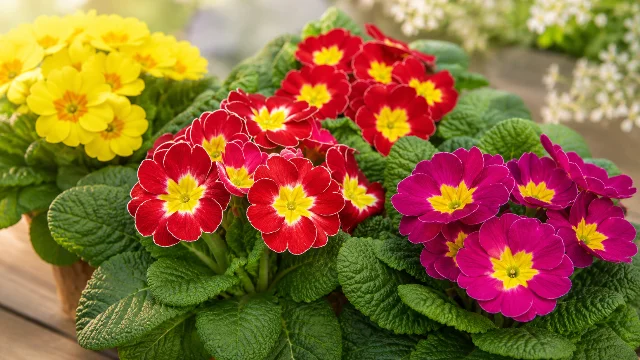
February has two birth flowers: the violet and the primrose. Violet is the main one, the one you’ll see on most jewelry and gift shop signs. Primrose is the secondary flower, a little less famous but honestly just as interesting once you dig into it.
Why two flowers for one month? It comes down to geography, mostly. Different regions had different flowers blooming in late winter, so different traditions picked different blooms to represent the same month. Violets and primroses both happen to be among the earliest things to flower when the weather’s still miserable, which is probably why they both ended up attached to February in the first place.
Neither one is a rose, by the way, even though Valentine’s Day falls right in the middle of the month. Roses belong to June. January Birth Flowers are smaller, tougher, and honestly a bit more interesting once you know their backstory.
Violet — The Primary February Birth Flower

Meaning & Symbolism
Violets stand for modesty, faithfulness, and quiet loyalty. That might sound like a strange combination for a Valentine’s Day month, but think about it this way: violets don’t shout for attention as a big red rose does. They’re small, low to the ground, easy to walk right past.
That understated quality is exactly why they’ve come to represent devotion that doesn’t need to show off. A violet says “I care about you” without needing to make a big scene about it.
History & Mythology
The Greeks were growing violets as far back as 500 BC, using them in wine, in medicine, and eventually in mythology. One story ties violets to Artemis, the goddess of the hunt, who was said to have turned one of her followers into a violet to protect her from unwanted attention.
There’s also a Christian thread here. Violets have long been connected to the Virgin Mary, standing in for her humility in religious paintings for centuries. And then there’s Saint Valentine himself. According to legend, he crushed violet petals to make ink and used it to write letters from prison. Whether that’s fully true or partly folklore, it’s stuck around, and it’s a big part of why violets and February feel so linked even now.
Violet Color Meanings
Not every violet means the same thing. Blue violets are tied to trust and calm, the kind of steady, dependable feeling you’d want in a long friendship. White violets lean toward innocence and new starts. And the classic deep purple violet? That’s the one most associated with loyalty and lasting affection.
So if you’re picking violets as a gift, the color you choose actually changes the message a little. Worth keeping in mind.
Personality Traits of Violet-Born People
People who connect with the violet as their birth flower are often described as thoughtful, a little reserved at first, but deeply loyal once they warm up to you. There’s something about a flower that quietly does its own thing that seems to match people who’d rather show their feelings through actions than big declarations.
Primrose — The Secondary February Birth Flower

Meaning & Symbolism
Primroses represent young love, renewal, and fresh starts. They’re one of the very first flowers to bloom after winter loosens its grip, which is probably why they got tied to new beginnings in the first place.
Where violet feels steady and grounded, primrose feels hopeful and a little more youthful. The two flowers balance each other out nicely.
History & Folklore
In Norse mythology, primroses were connected to Freya, the goddess of love. Celtic folklore takes it even further, treating primrose patches as doorways to the world of fairies. Some old stories say a patch of primroses could ward off bad luck or protect a home from unwanted spirits.
There’s also a very specific bit of British history worth knowing. Benjamin Disraeli, a former UK Prime Minister, was said to have loved primroses. After he died, his supporters started wearing primroses every year on the anniversary of his death, and the day eventually became known as Primrose Day. It’s a strange little footnote, but it shows just how much meaning people have packed into this small flower over the years.
Personality Traits of Primrose-Born People
If primrose feels like your flower, you’re probably the optimistic one in your friend group. People often describe primrose personalities as warm, a little more outgoing than the violet crowd, and quick to see the bright side of a rough situation. Fitting, for a flower that shows up before winter’s even properly over.
February Zodiac Signs: Aquarius & Pisces
February spans two zodiac signs. If you’re born before around February 18th, you’re an Aquarius. After that, you’re a Pisces.
Aquarius tends to be independent and a little unconventional, someone who thinks differently and doesn’t mind standing apart from the crowd. Pisces, on the other hand, leans emotional, intuitive, and deeply empathetic.
How the Zodiac Connects to February’s Flowers
Here’s where it gets fun. Aquarius energy lines up nicely with the violet: understated, a bit private, quietly doing its own thing. Pisces feels closer to the primrose: emotional, hopeful, tuned in to feelings other people might miss.
You don’t have to buy into astrology to enjoy the pattern. It’s a nice way of looking at how these old traditions, flowers, stars, and stones, all seem to circle back to similar ideas about who we are.
February Birthstone: Amethyst
February’s birthstone is amethyst, a purple quartz that ancient Greeks believed could protect against overindulgence. The word itself comes from Greek, roughly meaning “not intoxicated.”
Amethyst has also long been tied to clarity of mind and calm thinking. During the Middle Ages, it was worn almost exclusively by royalty, which only added to its reputation as something valuable and a little bit mystical.
How Amethyst Complements Violet & Primrose
Notice a pattern? Amethyst is purple. Violets are purple. Even primroses often show up in shades of purple and lavender. That’s not a coincidence, exactly- more like three different traditions landing on the same color because it just felt right for this time of year.
Together, the flower and the stone tell a matching story: quiet strength, calm depth, and a little bit of mystery.
February Birth Flower Tattoo Ideas

Birth flower tattoos have become genuinely popular over the last few years, and February’s flowers work especially well for this because they’re small and detailed without being overly complicated to design.
Violet Tattoo Designs

Violet tattoos usually stick to a few classic styles. Fine-line botanical illustrations are the most requested, often placed on the wrist, behind the ear, or along the collarbone. Some people go for a cluster of three or four violet blooms with a single stem, which reads as delicate without looking too plain.
Watercolor-style violet tattoos are also popular if you want more color and movement in the design.
Primrose Tattoo Designs

Primrose tattoos tend to lean a bit more whimsical, sometimes paired with small fairy or moon details as a nod to the old Celtic folklore. A single primrose bloom on the ankle or forearm is a common, low-commitment option if it’s your first tattoo.
Combining Both Flowers in One Design
Since February technically has two birth flowers, plenty of people choose to combine violet and primrose into one piece. A common approach is a small bouquet design, or two separate stems intertwined near the base. It’s a nice way to represent the full month rather than picking just one flower.
How to Grow Violets & Primroses
If you’d rather grow these flowers than tattoo them, good news: both are pretty forgiving for beginners.
Soil, Sunlight & Watering Tips
Violets like rich, well-drained soil and partial shade. They don’t love direct, blazing sun, which makes sense given they’re used to growing under trees or along shaded garden edges.
Primroses want similar conditions but can handle a bit more sunlight than violets. The big thing to watch with primroses is water. They hate sitting in soggy soil, but they also dry out fast, so consistent, even watering matters more than how much you give them at once.
Plant both in early spring for the best results, and don’t be surprised if violets start popping up on their own in following years. They spread easily once they’re happy where they are.
One thing beginner gardeners get wrong with both flowers: overcrowding. Violets in particular will fill in a bed fast, and if you plant them too close together from the start, you’ll end up thinning them out within a season anyway. Give them a few inches of breathing room and let them spread themselves.
Primroses, meanwhile, benefit from a light feeding once a month during their bloom period. Nothing fancy, just a basic balanced fertilizer. Skip it and they’ll still grow, but the blooms tend to be smaller and don’t last quite as long.
Fun Facts About February’s Birth Flowers
Violet is the official state flower of four US states: Wisconsin, Rhode Island, Illinois, and New Jersey. That’s more states than almost any other flower on this list of monthly blooms.
Violets are technically edible. Some bakers crystallize the petals with sugar to decorate cakes, and they show up in a handful of old cocktail recipes too.
Primrose Day, the one tied to Disraeli, was such a big deal in Victorian England that the Primrose League built around it grew to over two million members by 1910. For a flower this small, that’s a pretty massive following. Its lasting popularity also helps explain why the March Birth Flower and its floral symbolism continue to hold such special meaning today.
Your February Flower, All in One Place
Violet and primrose don’t get nearly as much attention as roses or sunflowers, but once you know their history, it’s hard not to appreciate them. One stands for quiet loyalty, the other for hope after a long winter. Together, they sum up February pretty well.
Not sure which month’s flower actually belongs to you, or want to check a friend’s birthday while you’re at it? Use the birth flower finder tool on our homepage. Just pop in a birthday, and it’ll pull up the flower, zodiac sign, and birthstone in one go.


